
Prepared with AI assistance for Silver Tongue Development Inc. Read our editorial process.
What Should a Nonprofit Website Chatbot Answer
Choose useful chatbot questions about programs, donations, and volunteering, with clear boundaries and an easy human handoff.
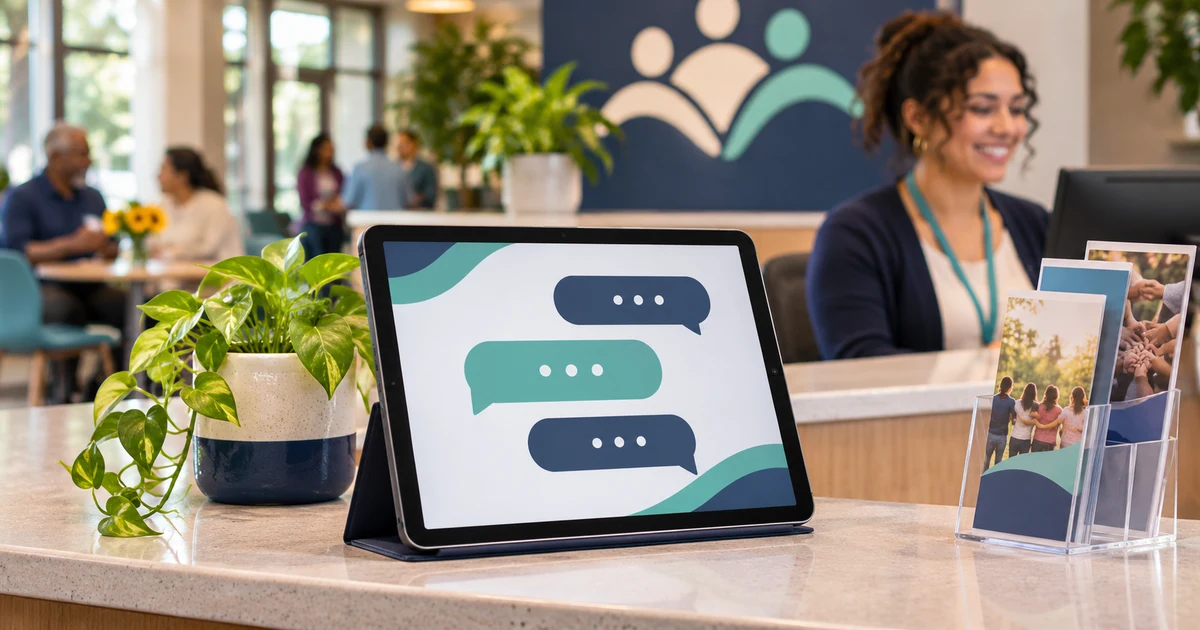
A nonprofit website chatbot should answer questions that have current, approved answers and offer a clear route to a person when the question exceeds those boundaries. Its first job is helping visitors find the next step, not making program decisions.
Choose a small initial set of questions from actual website inquiries. Staff experience can reveal which questions repeat and which look simple but require personal judgment.
Begin with the nonprofit’s public front door
A nonprofit chatbot should start with current public questions and approved answers. Useful starting questions often concern how to contact the organization, where to find published program information, how to express interest in volunteering, and where the official donation page is located.
For each question, record the approved answer, its source page, the owner, and the date it was checked. If the public website gives conflicting hours or locations, fix those sources before asking a chatbot to choose between them.
Do not assume an assistant can see current availability, donation status, or individual records. Those capabilities require separate, authorized connections and testing.
Build an answer map
A simple map can divide questions into three groups.
Answer from public information: Published office hours, general program descriptions, contact methods, and links to official forms.
Answer with a boundary: Explain the published application process, then direct the visitor to staff for a decision about their circumstances.
Hand off immediately: Sensitive personal situations, complaints, questions about individual records, or any request the nonprofit has designated for staff handling.
The categories should reflect your organization’s work. A public information assistant should not gather detailed case histories merely because a visitor is willing to share them.
Write a useful fallback
A good fallback names what the assistant can and cannot confirm and gives a practical next step. For example: “I can explain the published application steps, but I can’t determine eligibility. The program team can help you through the contact form.”
Only promise a response time if the organization has approved that commitment and can support it. Avoid an endless loop that asks the visitor to rephrase a question the bot is not equipped to answer.
Make the human contact option visible throughout the conversation. Visitors should not have to fail several times to discover it.
Test the visitor’s next action
For a fictional literacy nonprofit, a visitor asks about Saturday tutoring. The bot links to the current program page. That answer is useful only if the page clearly explains how to inquire and the inquiry reaches the right staff member.
Test outdated dates, a program that no longer runs, a request for a person, and a question that includes private details. Check both the visible response and any saved inquiry. A friendly reply can still produce a broken handoff.
Assign ongoing ownership
Name the person who updates program answers and retests them after changes. Review repeated unanswered questions; some may reveal a missing website page or unclear public wording rather than a need for a more capable model.
Track completed inquiries, correct answers, appropriate escalations, and staff effort. A higher conversation count is not automatically a better visitor experience.
Silver Tongue Development supports scope a nonprofit chatbot around approved public information and a dependable staff handoff.
How do chatbot boundaries become a usable answer library?
A nonprofit chatbot answer library should pair every permitted question with a source and a practical next action. Store alternate everyday wording alongside the approved topic so visitors do not need to know internal program names. Test whether a broad question reaches the right information without forcing disclosure of personal circumstances.
Separate public eligibility information from individual eligibility decisions. An assistant can describe published requirements while making clear that staff assess a person's circumstances. A link to an application should not be phrased as confirmation that the visitor qualifies or that space is available.
Specify how answers handle missing or conflicting sources. When an event page lacks a date, the assistant should offer the relevant contact rather than substitute a date from last year's notice. Let the owner correct the public page and repeat affected tests before the answer returns to routine use.
Treat contact collection as a distinct, approved workflow. Explain why a name or email is requested, avoid repeating unnecessary private details, and make a human contact route available without requiring a long automated conversation. Staff should receive the actual visitor request, not only an optimistic category.
What makes a nonprofit chatbot handoff dependable?
A dependable nonprofit chatbot handoff preserves the question, identifies the receiving team, and makes unresolved requests visible. Define what happens when a notification fails or the usual contact is unavailable. The visitor-facing message should describe only the stage that actually completed.
Review questions that end without a useful next step. Repeated difficulty finding a program application may indicate a navigation or page-content problem rather than inadequate model capability. Fix the simpler source issue first. Keep a short regression set covering a discontinued program, an unanswered detail, and a visitor asking to stop the chat.
- Answer entry: public question, approved response, source page, responsible staff member, and human escalation path.
- Boundary test: personal eligibility, unavailable status information, contradictory dates, and requests outside the program scope.
- Handoff evidence: original request retained, destination identified, record saved, notification outcome visible, and backup assigned.
For the nonprofit chatbot, write the fallback before refining the ideal answer. A visitor should know what the assistant cannot confirm and where to obtain help. Test that route from the final public page using an approved testing arrangement. If the receiving team cannot identify the inquiry or its source, fix that handoff before enlarging the answer library or collecting additional details.
Prepared with AI assistance for Silver Tongue Development Inc. Read our editorial process.